Historical fiction does more than reimagine the past—it breathes life into forgotten voices, giving shape to stories that history books overlook. From The Book Thief to Sarah’s Key, readers are drawn into the quiet heroism, unbearable losses, and enduring hope of those who lived through humanity’s darkest hours.
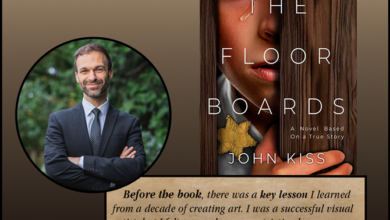
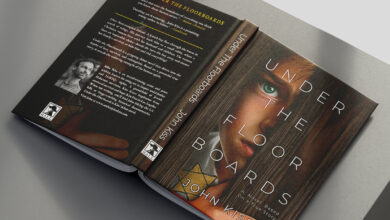
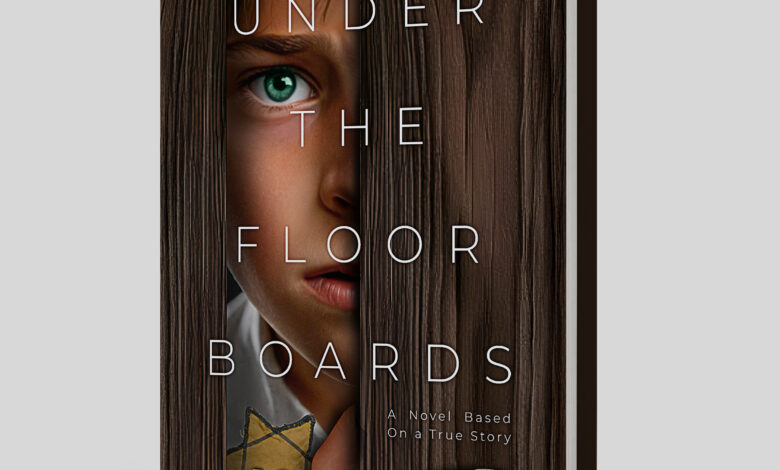
Now, a powerful new novel joins their ranks. Under the Floorboards by Israeli artist and author John Kiss (she/her) is not just a novel—it’s a lifeline between past and present, survival and silence.
Kiss, a transgender street artist turned storyteller, began writing the book long before tragedy struck her homeland. But it was the events of October 7—the sirens, the hiding, the fear—that transformed her manuscript into something far more urgent. “It felt right to revisit the story to help me deal with the daily uncertainty and fear,” she shares. “In Tel Aviv, hearing the air raid sirens, feeling the collective trauma—it was a stark reminder of what countless others have endured.”
Her novel follows a young Jewish boy hiding beneath the floorboards during World War II. It’s a fictional account rooted in the harrowing real-life story of Dr. Felix Zandman, a Holocaust survivor who spent over a year hidden in silence, surrounded by terror. The echoes between Zandman’s story and Kiss’s own experience of hiding during war are haunting—and deeply human.
After October 7, Kiss began revising the novel not just as a writer, but as someone mourning and healing. “Writing became a way to honor those who’ve lived through this—not just in the past, but now. It was also a way to process my own emotions,” she explains. The result is a story that’s emotionally raw, unflinchingly honest, and deeply empathetic.
Though known for her street art, Kiss says storytelling has always been part of her. “Art is powerful, but some stories need words. They need time. They need depth.” Under the Floorboards is her literary debut, but it reads like the work of someone who’s spent a lifetime listening—closely—to the quiet truths history leaves behind.
Her novel doesn’t just chronicle survival—it honors the unsung heroes who made it possible: a maid, a money changer, ordinary people who chose courage over comfort. “In the face of evil, some people still choose to do good,” she says. “Those moments—those choices—are what define us as human beings.”
Kiss’s research was meticulous, spanning survivor testimonies, archives, and a visit to Yad Vashem, Israel’s Holocaust memorial. But more than facts, it was the emotional weight of Zandman’s story that stayed with her. “It’s not just about surviving,” she says. “It’s about what happens after. The trauma. The silence. The decision not to let it consume you.”
In writing this novel, Kiss doesn’t offer tidy answers or traditional heroes. “The boy in the story isn’t brave in the way people expect. He’s terrified. He’s trying to stay alive. And that’s the truth of war—people surviving moment to moment, clinging to slivers of hope.”
Her goal wasn’t to romanticize history, but to illuminate its messy, brutal, and deeply human side. And in doing so, she forces readers to ask: What does it really mean to survive?
Under the Floorboards is more than a historical novel—it’s a mirror reflecting back our shared humanity. It asks us to look at the past, not with detachment, but with empathy. It invites us to carry forward the memory of those who endured. And it challenges us, especially in moments of crisis, to choose compassion.
Reflecting on October 7, Kiss calls it “a wake-up call for humanity.” The path forward, she believes, must be paved with understanding—and with peace. “We cannot keep living in cycles of fear. We have to start listening—especially to Palestinians. Only through listening, empathy, and justice can we begin to heal.”
Under the Floorboards isn’t just a novel. It’s an act of remembrance. An act of resistance. And most of all, an act of hope.
Author